


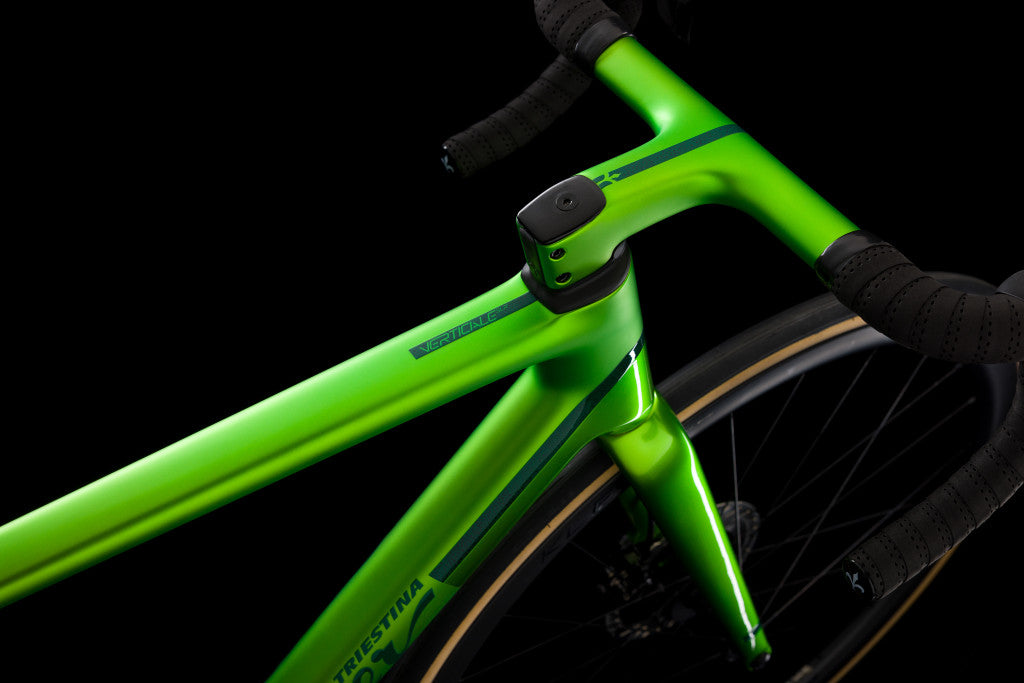
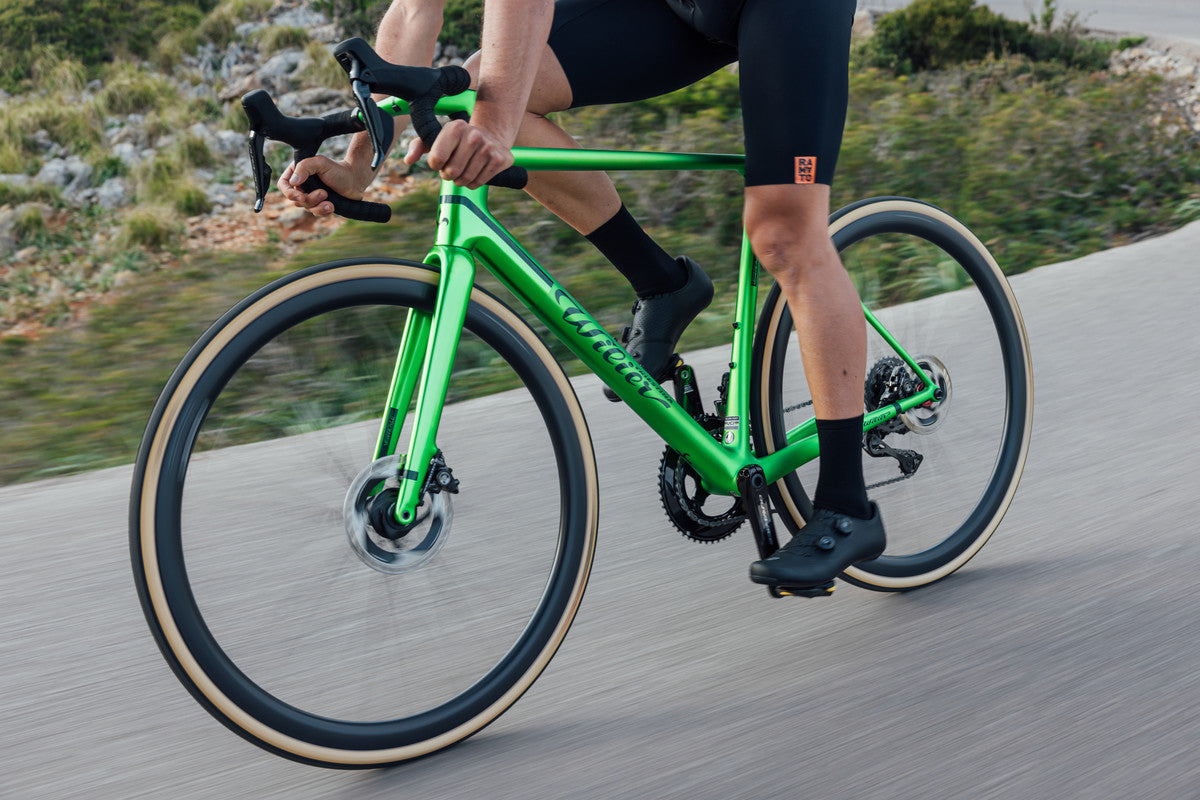
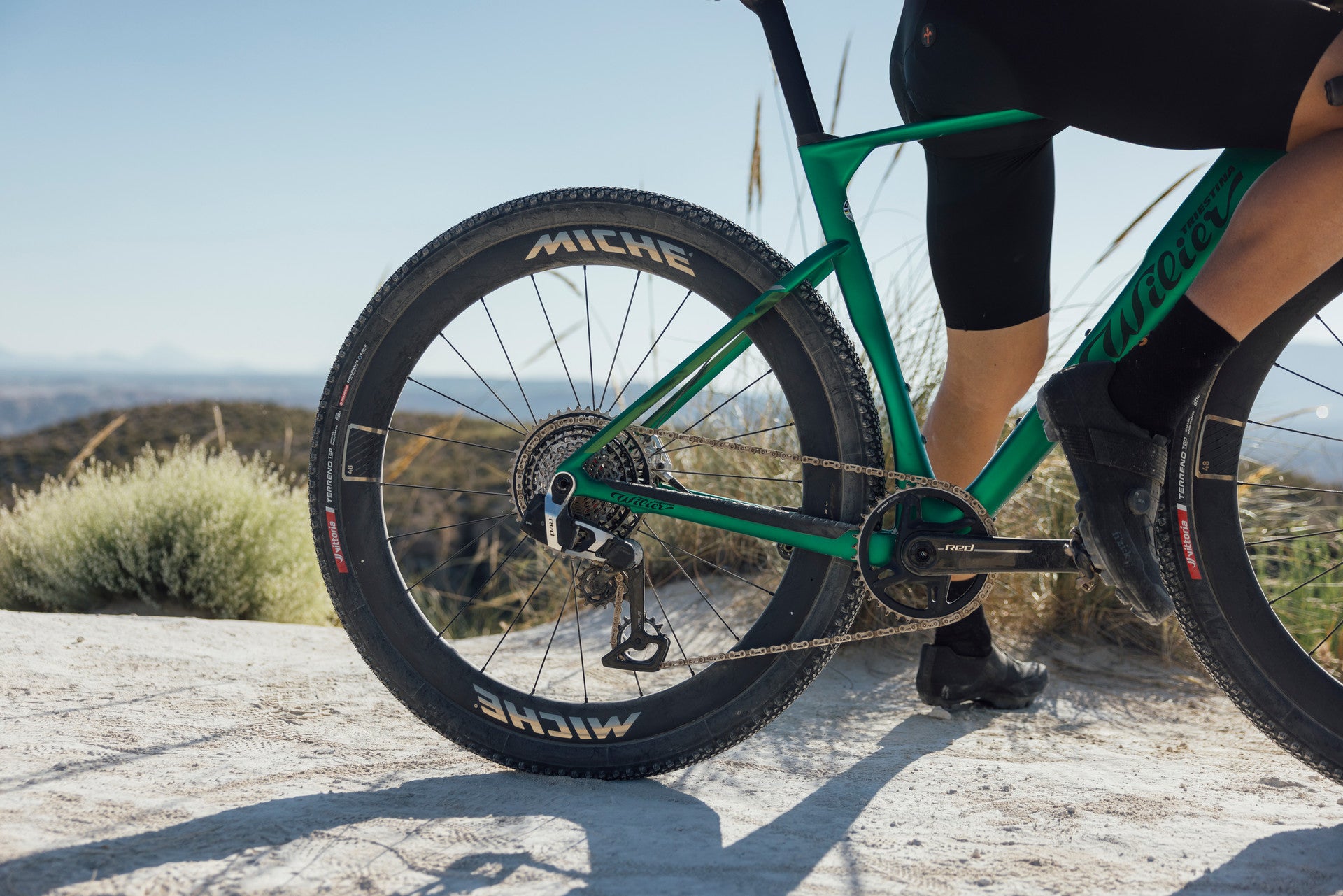
VERTICALE SLR
Each piece is designed with your needs at heart. All products are imagined and developed in our studio, where ideas often stem from the thoughtful feedback we receive throughout the year.
LEARN MORE


HISTORY OF WILIER
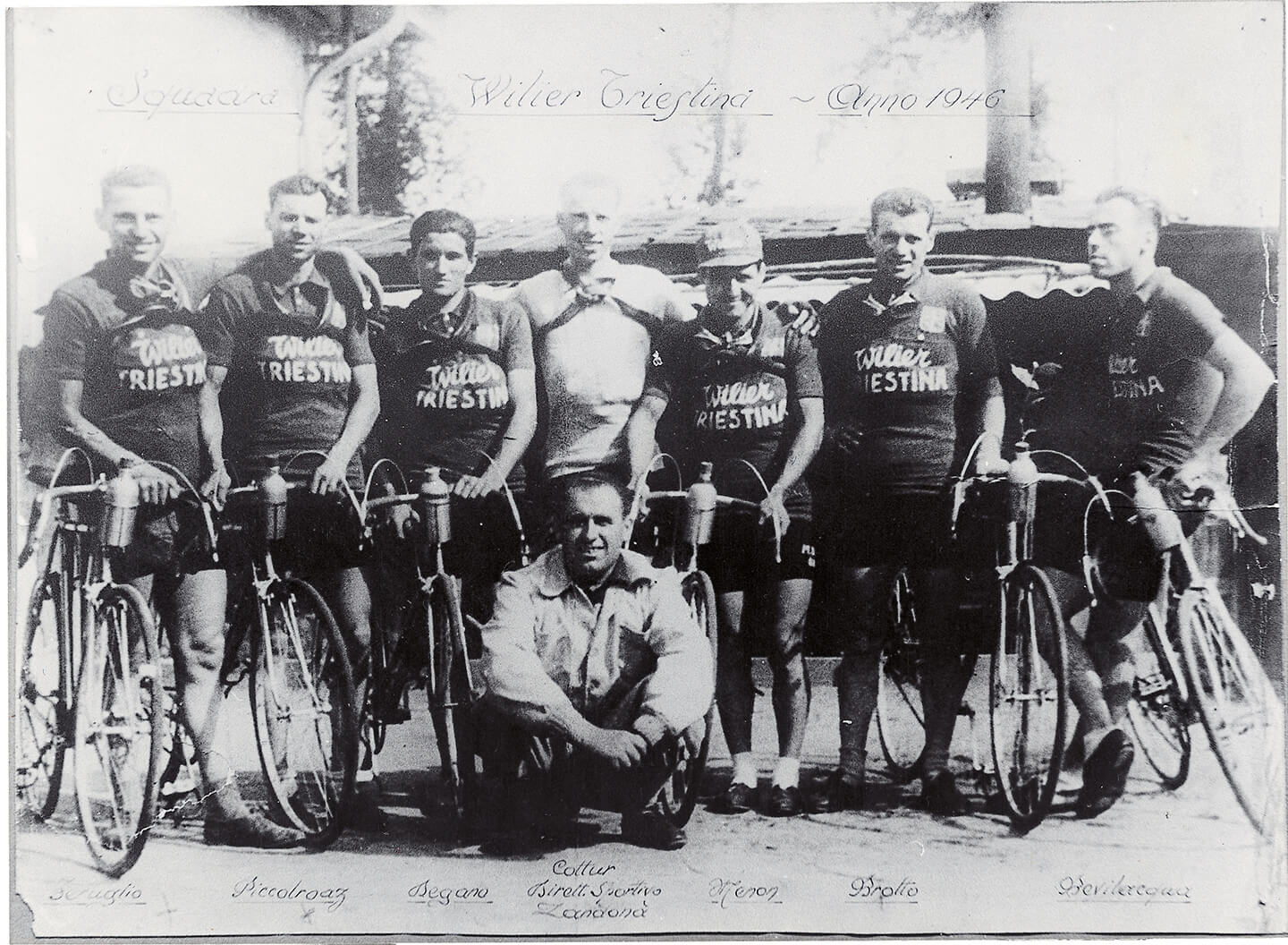
At the end of WW2, the Free Territory of Trieste was contested between the Allies and Yugoslavia. Pietro Dal Molin, who in 1906 took over the Wilier label, then a semi-unknown English company, decided to join the political cause by adding the word Triestina to the trademark and acronym (W l'Italia Libera E Redenta) in support of Italian control of the city. A brave and risky choice. But Dal Molin did not stop there. He chose the halberd of St. Sergius, emblem of Trieste, for the logo and signed on a cyclist native of the area: Giordano Cottur. A stance that would not go unnoticed.
LEARN MORE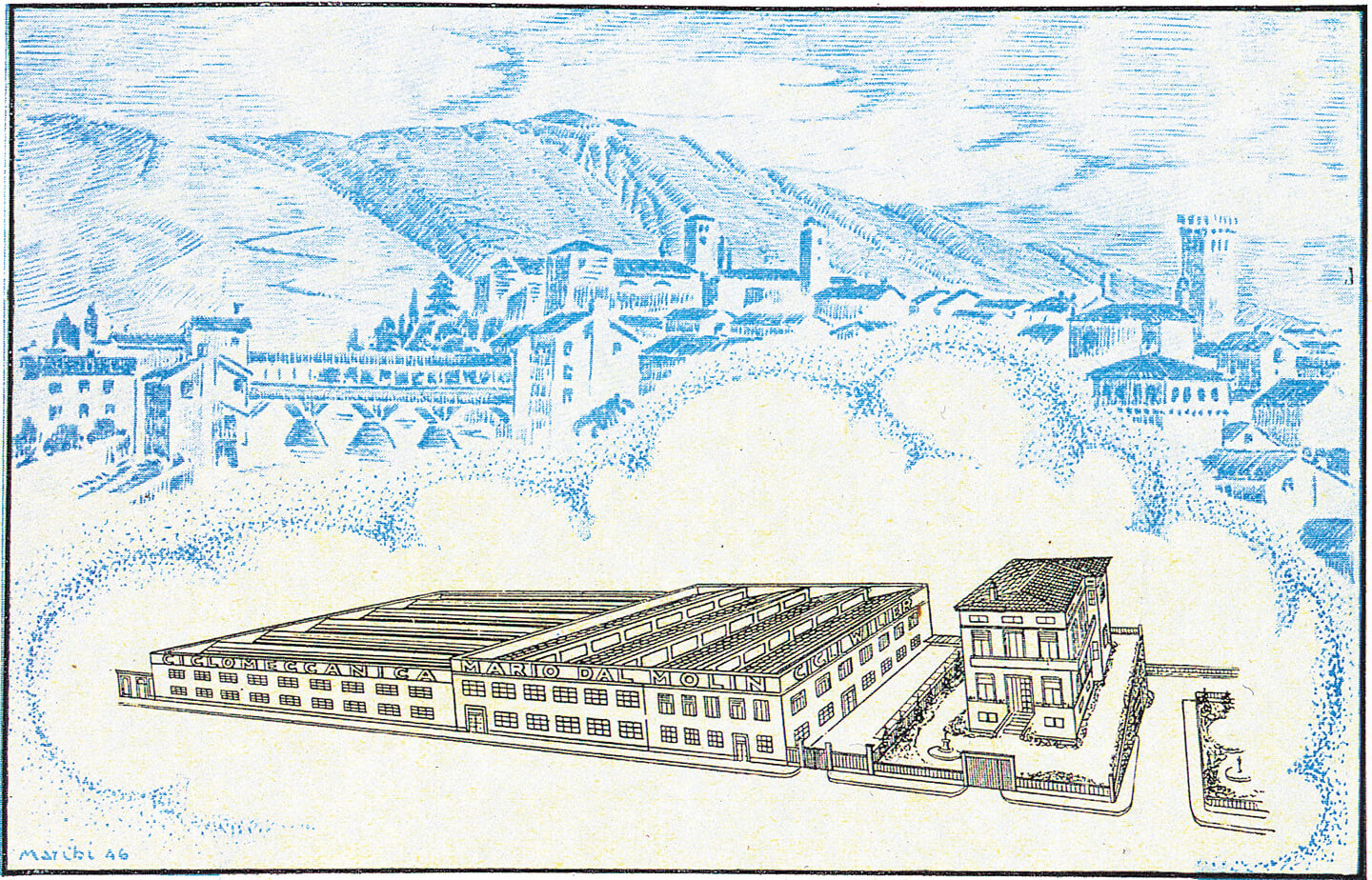
1906-1945
The safety bicycle emerged in the late 19th century as a safer, more comfortable alternative to the penny-farthing, rapidly spreading from England to the U.S., France, and Italy, where Pietro Dal Molin revived the Wilier brand in 1906 and achieved major success through mass production. Despite World War I, the company grew thanks to the celebrated bicycle-riding Bersaglieri. After the war, Pietro’s son Mario expanded operations with new technologies and, as professional cycling gained popularity, positioned the company in competitive racing. Following World War II, Wilier reentered the sport with a team renamed Wilier Triestina—celebrating the city of Trieste—with the halberd as its symbol and a patriotic identity embraced by fans.
1946-1952
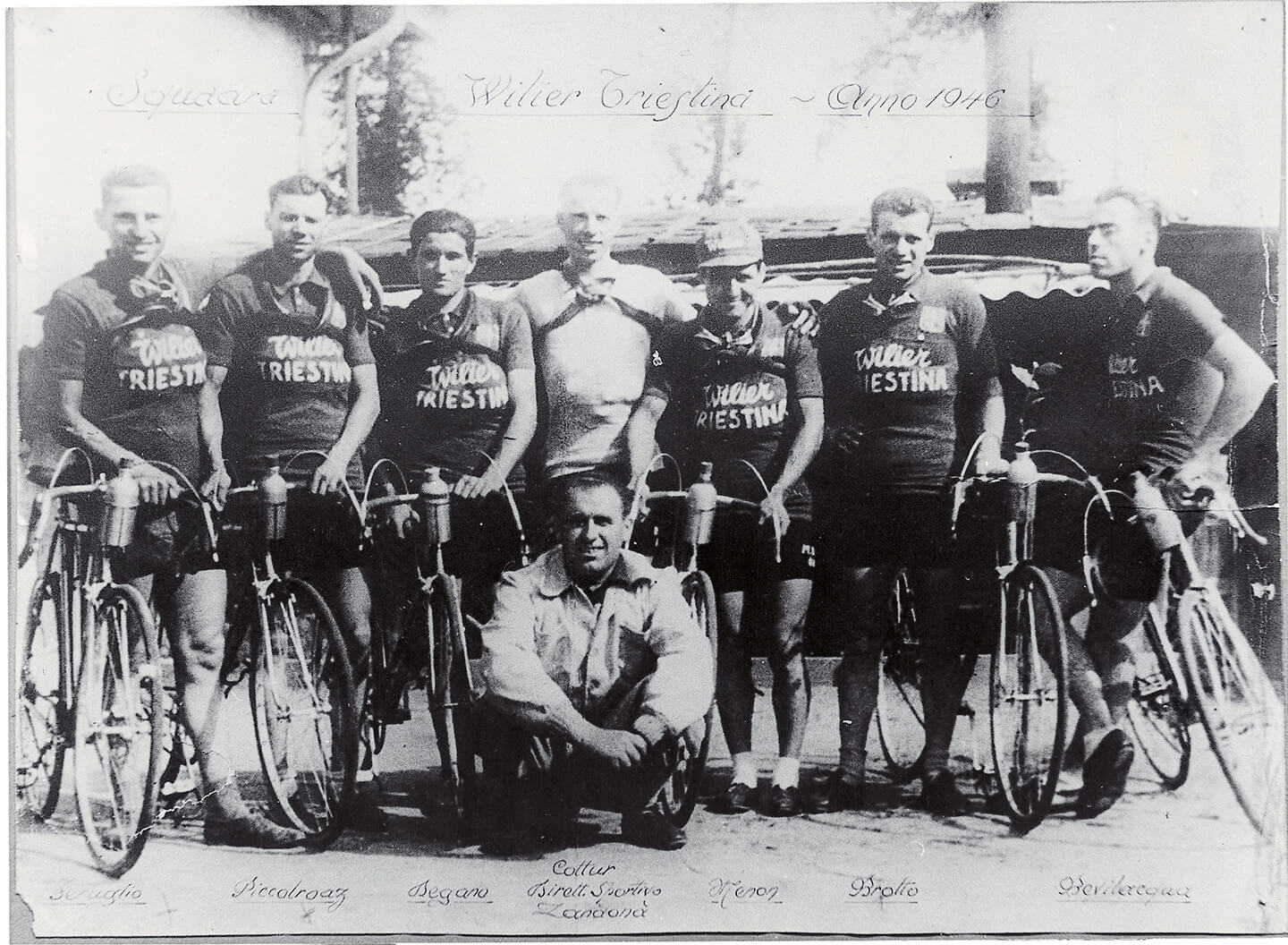
Mario Dal Molin recognized that sponsoring a major professional cycling team required significant investment but promised strong promotional returns. That gamble paid off during Wilier’s debut at the 1946 Giro d’Italia, when political unrest in Trieste halted the stage but the Wilier riders still reached the finish, cheered by massive crowds as their captain Giordano Cottur claimed victory. This success fueled national visibility for the brand, reinforced by the symbolic red jerseys with Trieste’s white halberd, and validated the vision shared by Mario and technical chief Giovanni Zandonà.
1946-1952 Continued
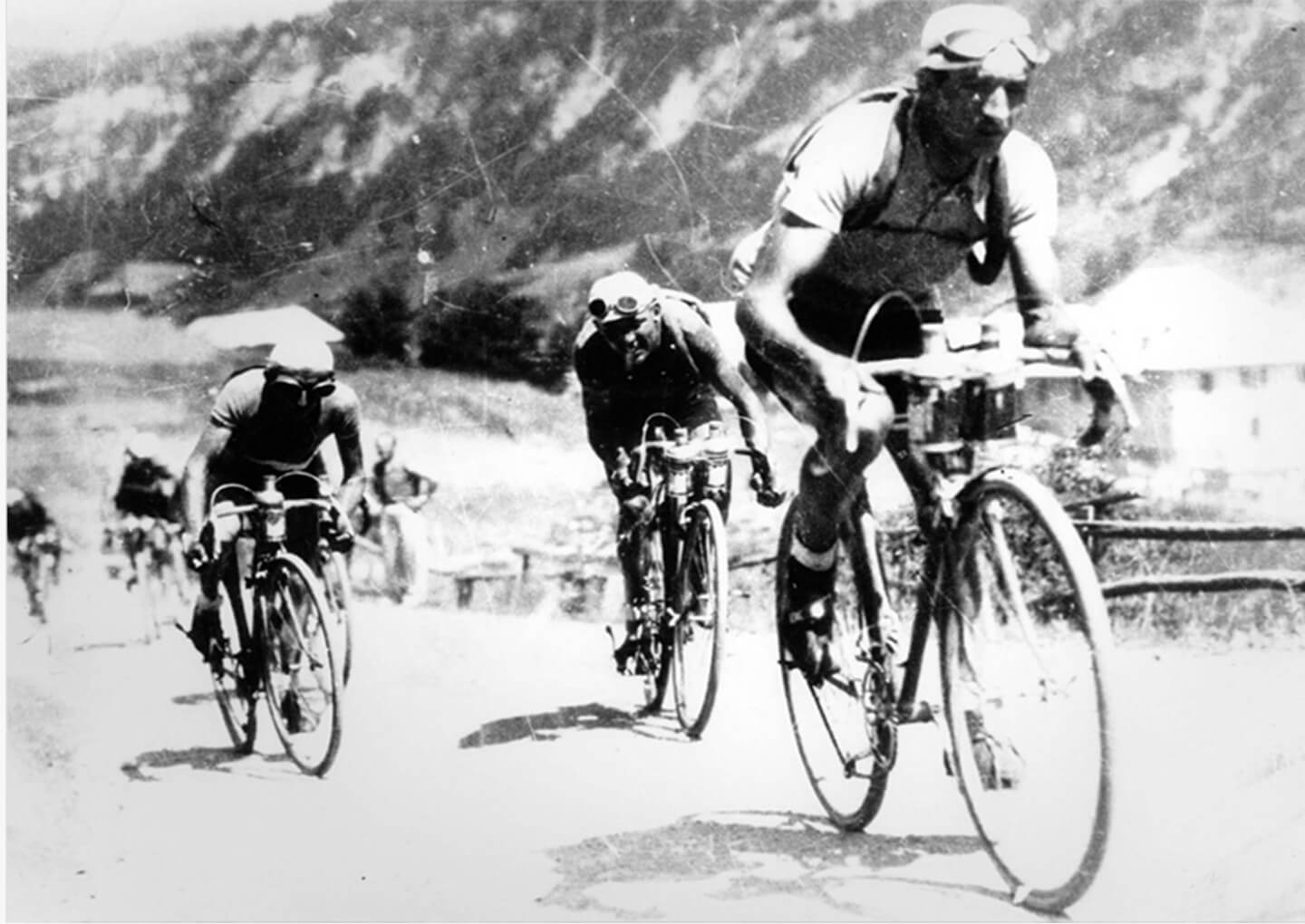
From 1946 to 1950, Wilier became one of Italy’s most dominant racing teams, highlighted by Fiorenzo Magni’s 1948 Giro d’Italia win and major international triumphs including back-to-back Tours of Flanders victories. The popularity of Wilier’s iconic “coppery red” frames soared worldwide. However, the rise of motorized transport and financial setbacks—especially an unpaid shipment to Argentina—outpaced the company’s ability to adapt. By 1952, despite recent glory, Ciclomeccanica Dal Molin was sold, and production soon ceased under new ownership.
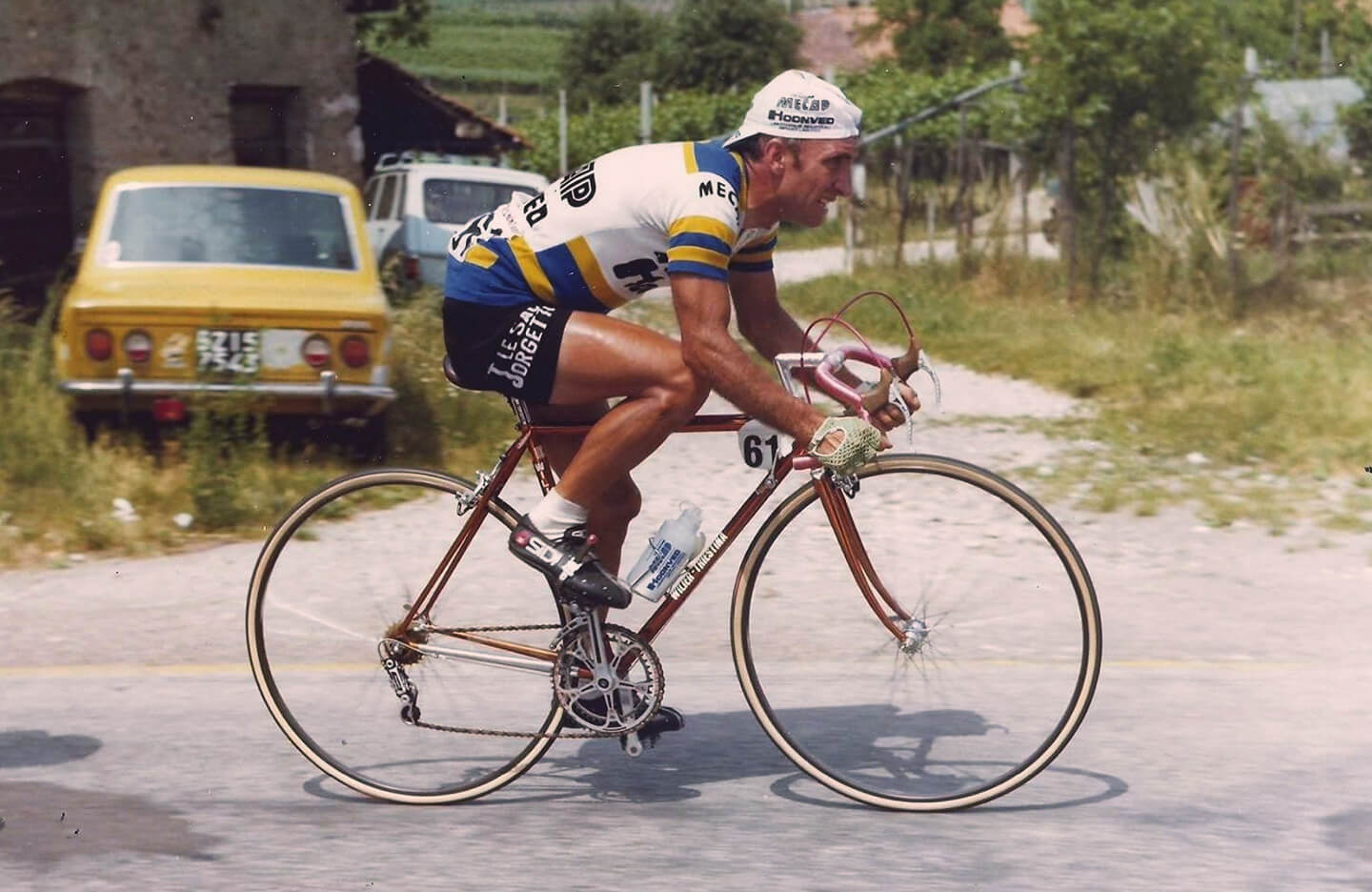
1969-1979
Even after Wilier Triestina disappeared for years, its legacy lived on in the cycling-rich province of Vicenza. Lino and Antonio Gastaldello revived the brand, moving production to Rossano Veneto and drawing on their industry expertise to relaunch it. By 1979, Wilier returned to professional racing with Mecap Hoonved, earning a promising Giro d’Italia stage win and sixth overall from Mario Beccia. Soon after, the Gastaldello brothers shifted focus to expanding manufacturing, pausing further investment in competitive cycling.
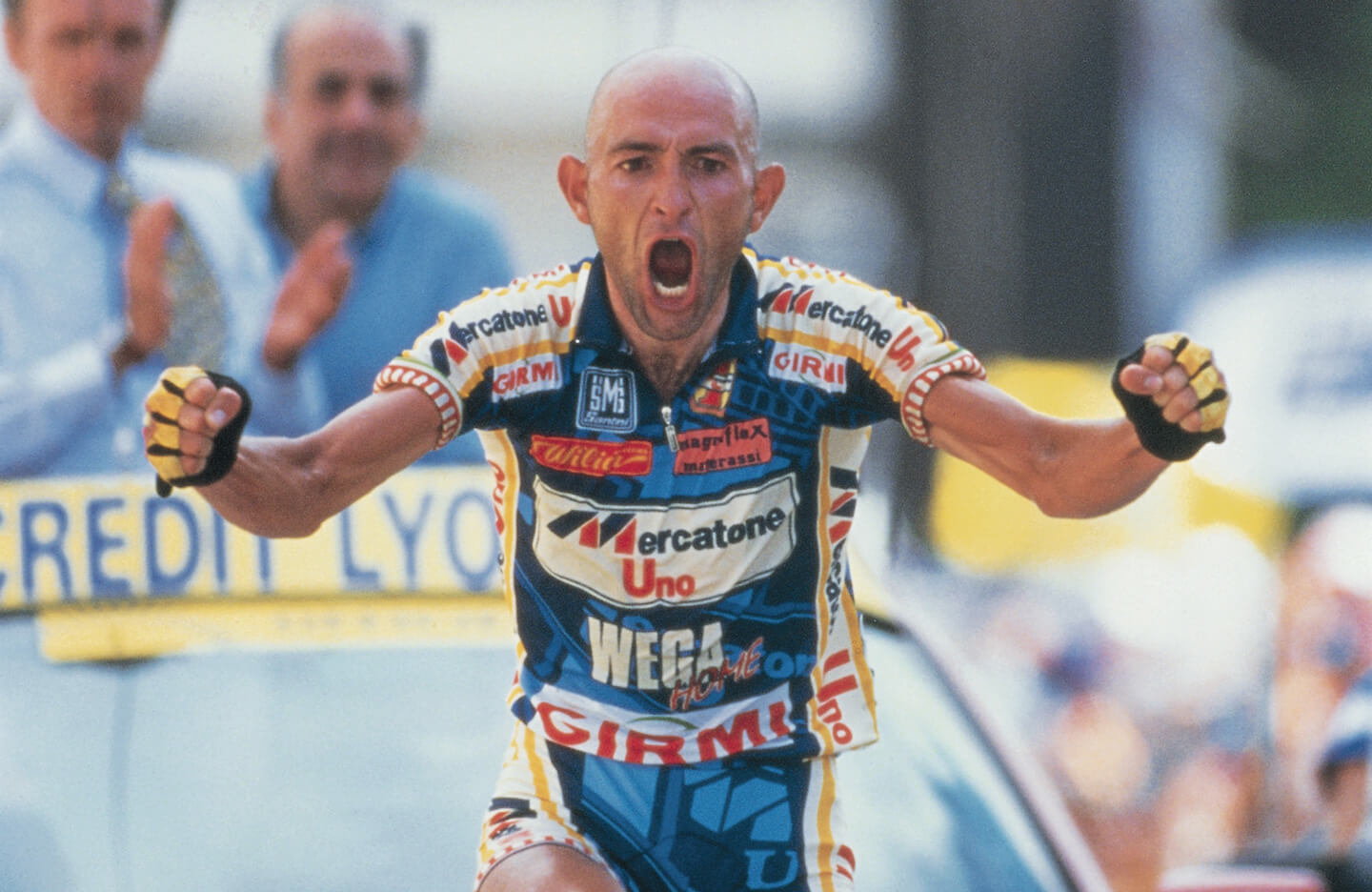
1989-1997
After becoming sole owner in 1989, Lino Gastaldello expanded Wilier Triestina and completed its Rossano Veneto headquarters. With the business strengthened, he returned to pro cycling in 1995, supporting teams like BresciaLat and later Mercatone Uno with Marco Pantani. In 1997, Pantani rode a yellow aluminum Wilier to two Tour de France stage wins and a third-place overall finish—achievements now honored in the Wilier Exhibit, where his iconic bike continues to inspire visitors, including a memorable moment when Yoshizo Shimano paused to kneel before it.
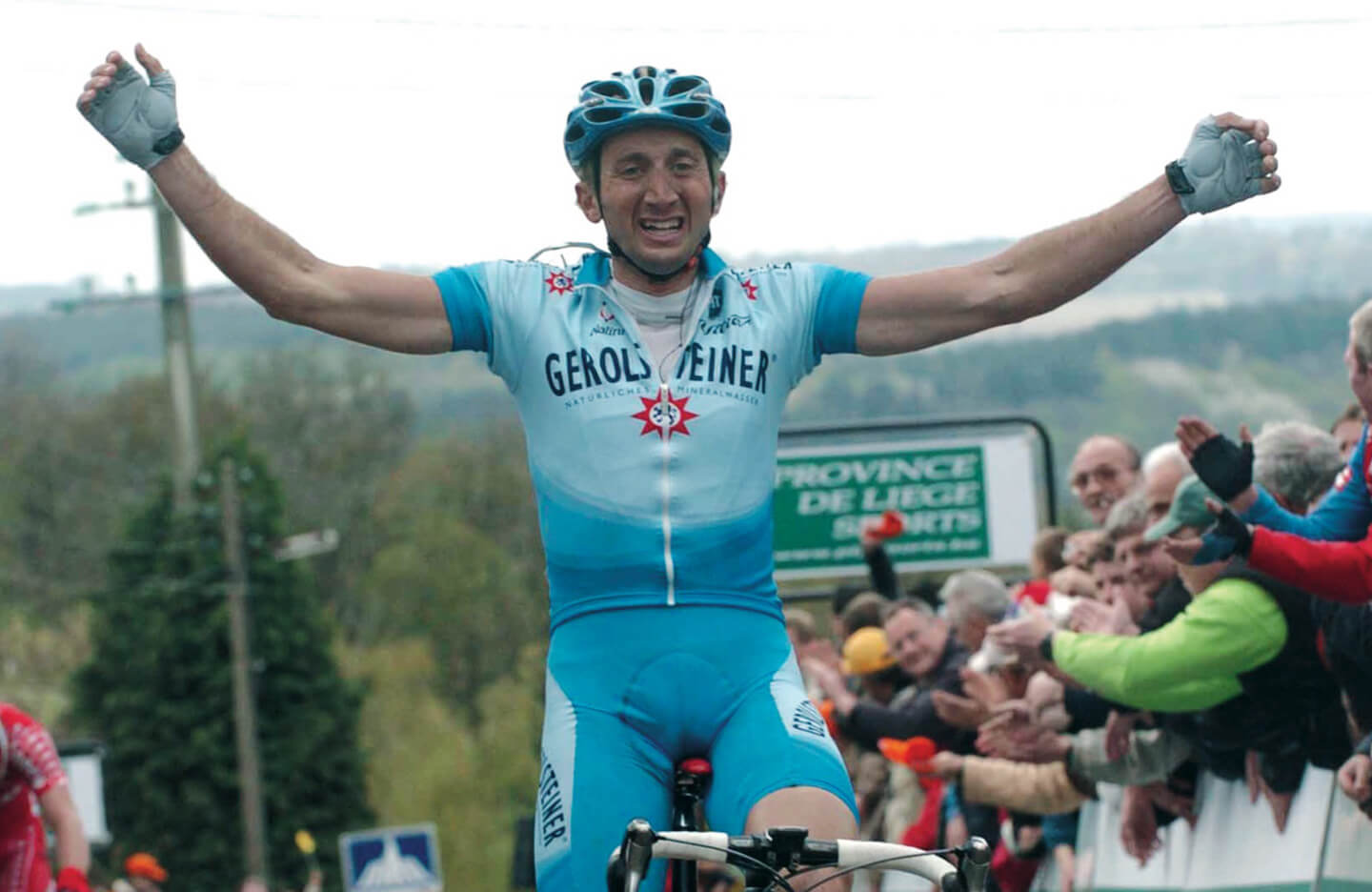
1997-2012
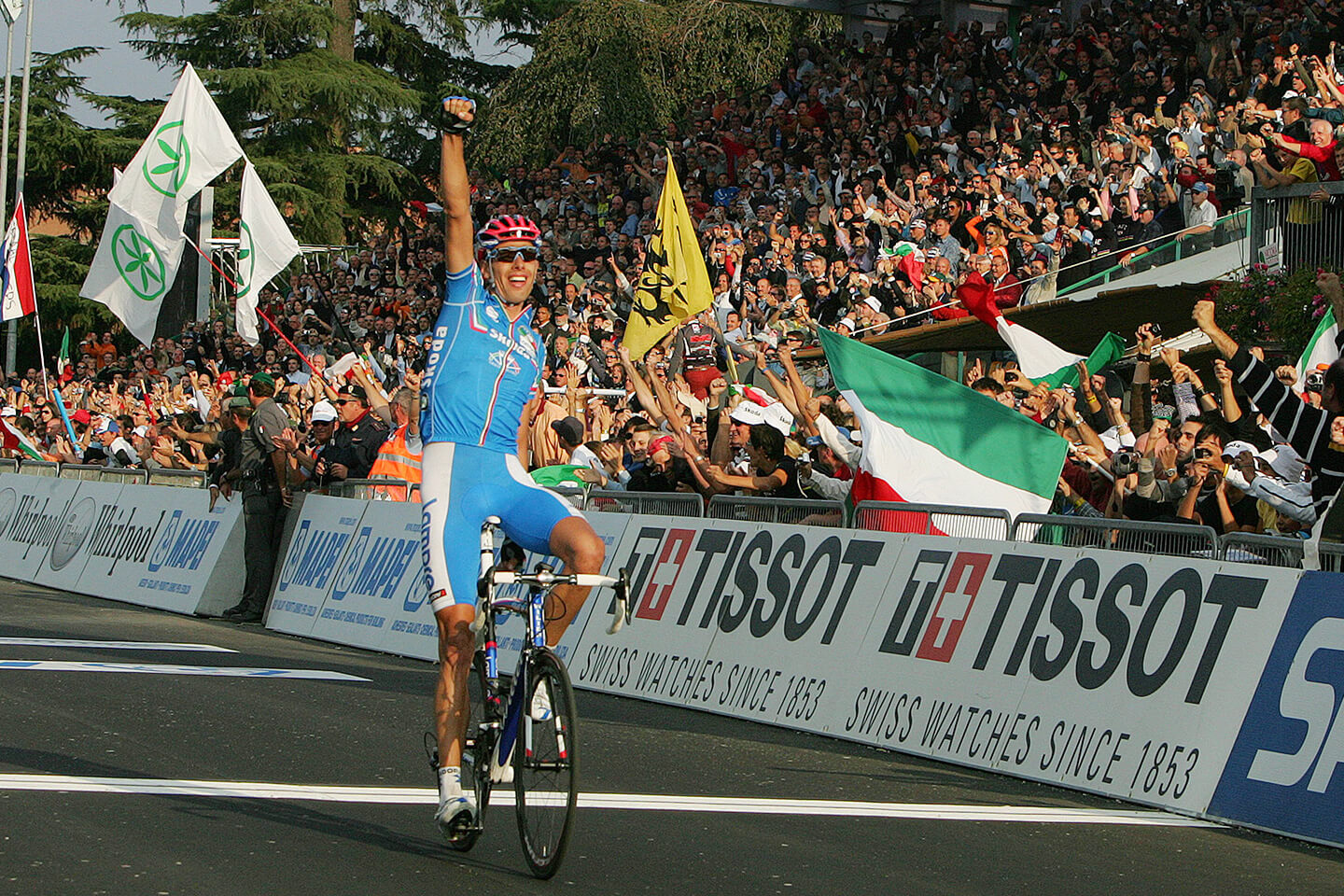
Since the mid-1990s, Wilier Triestina has paired industrial growth with a strong presence in professional cycling, earning major victories reminiscent of its post-war glory days. Highlights include Davide Rebellin’s 2004 Ardennes Classics sweep, world-class wins with Team Lampre such as Alessandro Ballan’s 2007 Tour of Flanders and 2008 World Championship triumphs, and Michele Scarponi’s 2011 Giro d’Italia victory. More recently, the partnership with Team Astana brought notable successes like Jakob Fuglsang’s 2020 Giro di Lombardia win. Alongside road racing, the Gastaldello brothers have expanded Wilier’s impact in off-road cycling, becoming title sponsor of a top MTB team and celebrating standout 2022 U23 championship wins by Simone Avondetto.
2023-Present
In 2020, Wilier Triestina strengthened its future by bringing Pamoja Capital on as a minority partner, helping the company capitalize on growing interest in cycling driven by health and environmental trends after the pandemic. Yet, beyond business growth and racing success, Wilier remains dedicated to supporting riders who push their limits—champions and everyday cyclists alike—including notable ambassadors like Omar Di Felice, Caroline Soubayroux and David Fergusson, and Wiebke Lühmann.
Full Story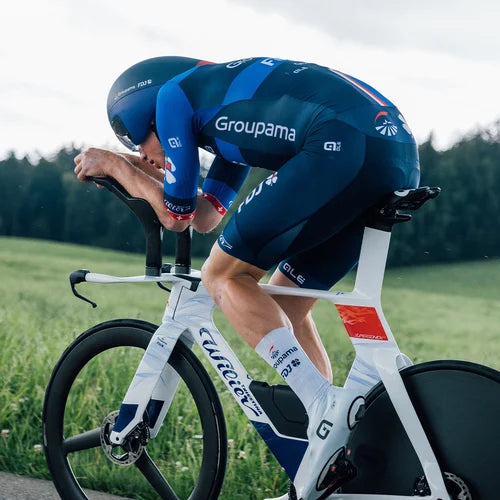


Filante SLR ID2
Be Your Fastest
LEARN MOREWILIER USA